
Expert Picks of Essential Products for Dryer Troubleshooting
Find the most reliable tools and components recommended by professionals for diagnosing and repairing dryers.
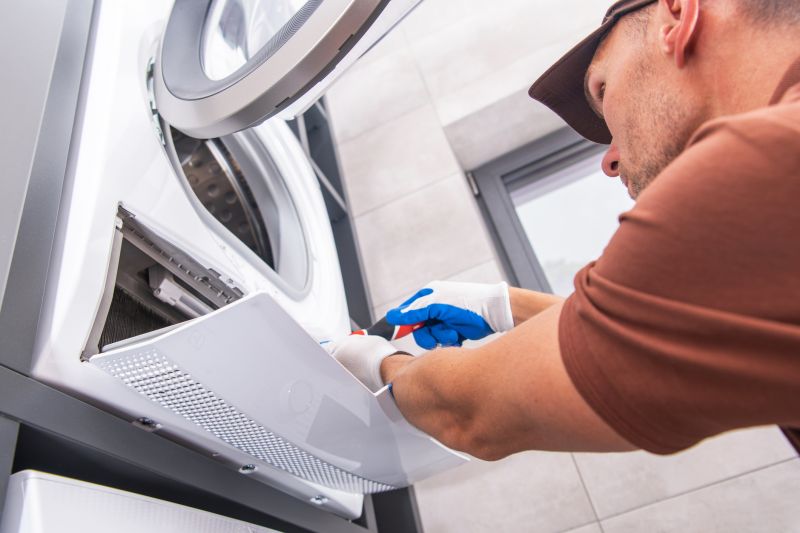 When it comes to maintaining and repairing a dryer, having the right tools and replacement parts is essential for efficient and safe operation. Dryer repairs can involve a variety of components, from heating elements to thermostats, belts, and sensors. Proper diagnosis is the first step in selecting the appropriate products to restore functionality. Whether you're a professional technician or a dedicated DIY enthusiast, understanding the range of available repair products can help you address common issues effectively.
Top Overall Option
Universal Dryer Repair Kit
A comprehensive dryer repair kit typically includes essential components such as heating elements, thermostats, fuses, belts, and rollers. Designed for versatility, these kits can accommodate a wide range of dryer models and common issues. They provide a convenient, all-in-one solution for DIY repairs, enabling users to address multiple problems without needing to purchase individual parts separately. Quality materials and detailed instructions often accompany these kits to facilitate safer and more effective repairs.
Types of Products For Dryer Repairs
Heating Elements
Replace faulty heating elements to restore proper drying temperatures and efficiency.
Thermostats
Thermostats regulate temperature; replacing them can fix overheating or insufficient heat issues.
Drive Belts
Drive belts connect the motor to the drum, essential for tumbling operation.
Idler Pulleys
Idler pulleys maintain tension on the drive belt, ensuring smooth rotation.
Rollers and Axles
Support the drum's rotation; worn rollers can cause noise or failure to tumble.
Thermal Fuses
Safety devices that cut power if the dryer overheats, preventing damage or fire.
Drum Bearings
Support the drum's rotation; replacing worn bearings can reduce noise.
Electronic Control Boards
Manage various dryer functions; replacement may be needed for electronic faults.
Sensor Modules
Detect moisture levels and control drying cycles for efficiency.
Igniters
Ignite the gas in gas dryers; faulty igniters prevent proper ignition.
Gas Valves
Control gas flow in gas dryers; essential for safe operation.
Lint Filters
Trap lint and debris; regular replacement helps maintain airflow and safety.
Door Switches
Ensure the door is closed before operation; faulty switches can prevent the dryer from starting.
Vents and Ducts
Improve airflow and prevent overheating; cleaning or replacing may be necessary.
Multimeters
Diagnostic tools for testing electrical components and circuits.
Popular Choices
Commonly sought for restoring heat in malfunctioning dryers.
Popular for fixing temperature regulation issues.
Frequently replaced to resolve tumbling problems.
Chosen for reducing noise and ensuring smooth drum rotation.
Often purchased to restore safety features after overheating.
Popular among those troubleshooting electronic control issues.
Trending for improving drying cycle accuracy.
Frequently replaced in gas dryers to ensure proper ignition.
Commonly bought to maintain airflow and safety.
Popular for resolving start-up issues caused by faulty switches.
Trending for maintaining optimal airflow and safety.
Essential for troubleshooting electrical issues in dryers.
Often chosen to reduce noise and improve drum rotation.
Popular for gas dryers experiencing ignition problems.
Frequently replaced to maintain proper belt tension.
Many dryer problems stem from worn or faulty parts that affect performance, safety, or energy efficiency. Replacing a damaged heating element can restore proper drying times, while a malfunctioning thermostat may cause the dryer to shut off prematurely or not heat at all. Belts and rollers are also frequent culprits in mechanical failures, often resulting in noisy operation or complete failure to tumble. Having a selection of reliable replacement parts on hand can make repairs smoother and more successful.
In addition to replacement components, diagnostic tools such as multimeters can help identify electrical issues, ensuring that repairs target the root cause rather than just symptoms. Safety should always be a priority, so using insulated tools and following proper procedures is crucial. Investing in quality repair products can extend the lifespan of your appliance and help prevent future breakdowns. Whether addressing minor issues or performing more extensive repairs, selecting the right products is key to achieving optimal results.
Overall, understanding the variety of repair products available and their specific applications can empower you to maintain your dryer effectively. From basic replacement parts to specialized diagnostic tools, having a well-stocked toolkit can save time and money while ensuring your appliance operates safely and efficiently.
Key Buying Considerations
- Compatibility with your specific dryer model to ensure proper fit and function.
- Quality of materials used in replacement parts for durability and safety.
- Availability of detailed installation instructions or tutorials.
- The reputation of the manufacturer or supplier for reliability.
- Warranty or return policies offered with the product.
- Ease of installation, especially for DIY repairs.
- Price point relative to the quality and brand reputation.
- Type of repair or replacement needed based on diagnosed issues.
- Frequency of replacement or maintenance for the part in question.
- Safety features incorporated into replacement parts, such as thermal cutoffs.
- Availability of repair kits that include multiple components for convenience.
- Customer reviews and ratings to gauge real-world performance.
- Compatibility with both gas and electric dryers if applicable.
- Tools required for installation and whether they are included or need to be purchased separately.
- Environmental conditions that may affect the longevity of parts, such as humidity or dust.